Tag: families

  • Living in Quba, Madinah: Rent, Schools and Daily Life

    Living in Quba, Madinah: Rent, Schools and Daily Life

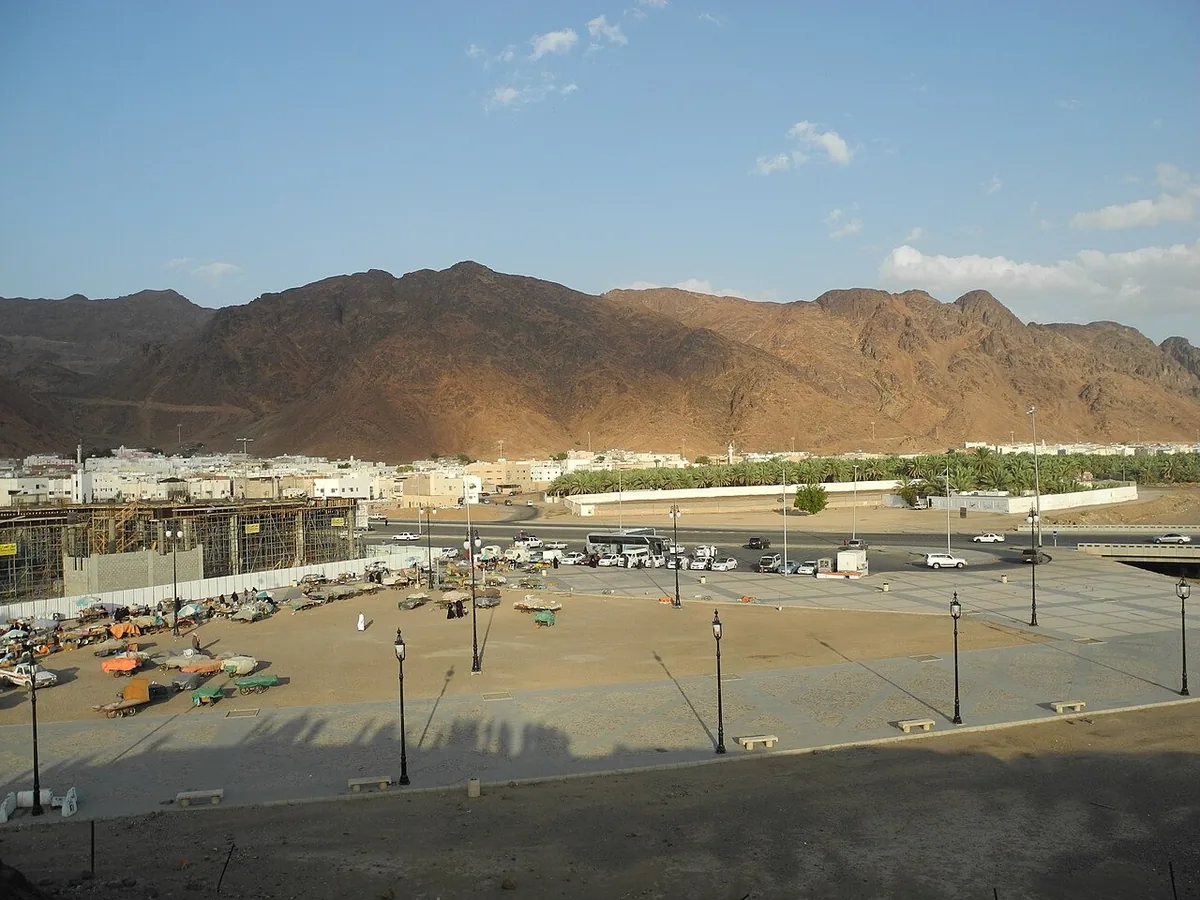
    Quba is one of the best-known names in Madinah, mainly because of Quba Mosque. For residents, it’s also a lived-in part of the city south of the centre, with homes, schools, shops and palm groves nearby.
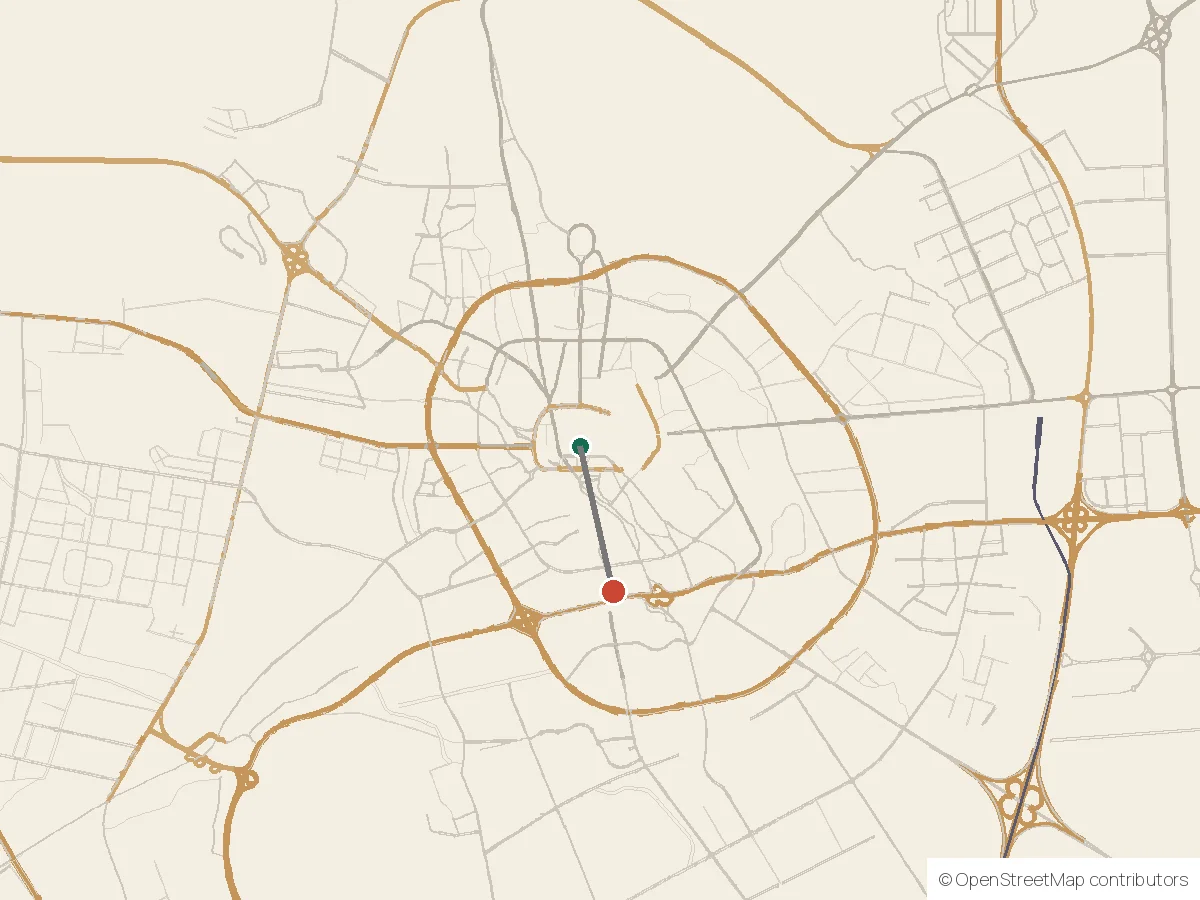
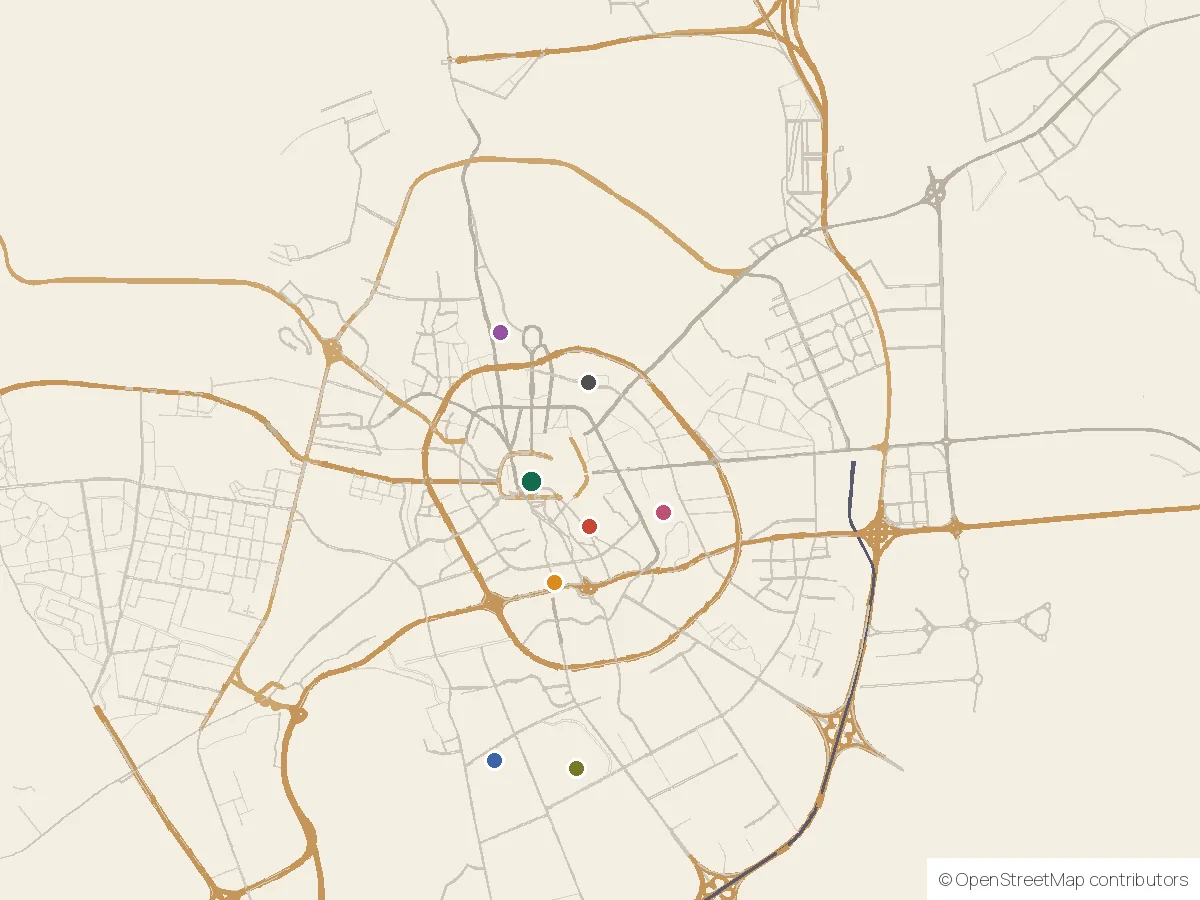
    Locator map of the Quba district in Madinah
    Map data © OpenStreetMap contributors (ODbL). Map drawn by Living in Madina from OpenStreetMap data.

    This guide covers where Quba is, how to check rent and schools, getting around and what daily life is like. We don’t quote rents, because no official source publishes them by neighborhood; we show you how to check. For other districts, see our Madinah neighborhoods guide.

    Quick answer

    Short answer: Quba is a mapped neighborhood in southern Madinah, about 3 km from the Prophet’s Mosque on OpenStreetMap. Residents like its links to Quba Mosque and its quieter streets, but traffic around the mosque can be busy at peak times. Check rent with licensed adverts, schools on the Ministry of Education’s admissions rules, and your commute on the Madinah Bus site.

    Where Quba is

    On OpenStreetMap, Quba appears as a neighbourhood in the south of Madinah, about 3 km in a straight line from the Prophet’s Mosque (OpenStreetMap). Quba Mosque itself sits in the same southern part of the city.

    Note

    Map labels and municipal district boundaries don’t always match. In OpenStreetMap, Quba Mosque falls inside a neighbouring administrative area, so adverts may describe a home “in Quba” more loosely than the official district map. Check the exact address on your National Address.

    Quba at a glance

    • Location: southern Madinah, about 3 km from the Prophet’s Mosque (OSM).
    • Landmark: Quba Mosque.
    • Character: residential streets with palm groves nearby.
    • Busy times: around the mosque at peak visiting times.

    Checking rent in Quba

    There’s no official rent table for Quba. The closest official figure is national: the General Authority for Statistics reports that actual housing rents across Saudi Arabia rose 3.5% in October 2026 compared with a year earlier (GASTAT CPI, October 2026). That is an index of change, not the rent of any home in Quba.

    So when a landlord says prices have “gone up a lot”, ask to see what similar homes nearby are listed for. To check prices:

    How to check rent in Quba

    1

    Collect several adverts: for the same home size.

    2

    Check each licence: on REGA’s ad licence inquiry.

    3

    Confirm the address: homes advertised as “Quba” may be in a neighbouring district.

    4

    Compare with nearby areas: to see if you’re paying a location premium.

    5

    Register the lease on Ejar: as REGA’s provisions require.

    REGA’s statutory provisions require leases to be registered on Ejar (REGA). Our rent price guide and housing and Ejar checklist explain more, and our cost of living guide helps you set a monthly budget.

    Schools

    The Ministry of Education publishes admission rules for residents’ children in public schools (MOE). Private and international schools set their own admissions and fees, so contact them directly and check the school run at the times you’d actually travel. Our schools and tutoring guide helps families compare.

    Questions for schools near Quba

    • Is there space for your child’s grade this year?
    • What documents are required?
    • Is school transport available to your street?
    • What are the school hours in Ramadan?

    Getting around

    The Madinah Bus network publishes routes online, so check which stops are near your street and where they go. Many Quba residents also drive. Test your commute at rush hour before signing a lease.

    ProsThings to check
    Close to Quba MosqueTraffic and parking at peak times
    Quieter residential streetsExact district on the National Address
    Palm groves and greenery nearbyBus stops near your street
    Reachable from the centreYour commute at rush hour
    Quba: things to weigh up

    Daily life

    Daily life in Quba centres on local shops, mosques and family homes. Weekends can bring more visitors to the area around Quba Mosque. Families often pair a visit with outings elsewhere in the city; our family weekend guide covers Quba and Uhud trips.

    Tip

    Visit the street you’re considering on a Friday and on a weekday evening. You’ll see the area at its busiest and quietest.

    FAQ

    Is Quba a good area to live in Madinah?

    Many residents value its quieter streets and nearness to Quba Mosque. Check traffic, schools and your commute before deciding.

    How far is Quba from the Prophet’s Mosque?

    On OpenStreetMap, the Quba neighbourhood point is about 3 km from the Prophet’s Mosque in a straight line.

    How do I check rent in Quba?

    Compare licensed adverts for the same home size and confirm the exact address on the National Address.

    Last checked 16 November 2026. No rents are quoted for Quba; the only rent figure is GASTAT’s national October 2026 index. Distance is a straight-line OSM measurement.

  • Cost of Living in Madinah 2026: How to Check Budgets for Singles, Couples and Families

    Cost of Living in Madinah 2026: How to Check Budgets for Singles, Couples and Families

    How much does it cost to live in Medina? Search online and you’ll find confident monthly totals for singles, couples and families. Most of them have no source, mix up years, or assume a lifestyle that isn’t yours.

    This guide takes a more honest approach. There’s no official cost-of-living figure for Medina, so we show you how to build and check your own budget, using official price data where it exists.

    Quick answer

    Short answer: No official source publishes a Medina cost-of-living total. GASTAT’s national data shows prices up 1.7% in the year to October 2026, with rents up 3.5%, food up 1.1% and transport up 2.3%. Build your budget from real rent quotes, school fees and utility bills for your household size, then check it against GASTAT each quarter.

    What official data shows

    GASTAT’s Consumer Price Index for October 2026 gives the national picture (GASTAT):

    National price changes, year to October 2026 (GASTAT)

    1.7%

    all consumer prices

    3.5%

    actual housing rents

    1.1%

    food and beverages

    2.3%

    transport

    These are national changes, not Medina prices. They tell you which parts of a budget are rising fastest, which is useful when your lease or school fees come up for renewal.

    The building blocks of a Medina budget

    Whatever your household, the same categories make up most of the budget:

    CategorySingleCoupleFamily
    RentStudio or one-bedroomOne or two bedroomsTwo to four bedrooms or a villa floor
    UtilitiesLower useMedium useHigher use, more cooling
    FoodOften eating outMix of home and outMostly home cooking
    TransportBus or ride-hailingOne car or busCar often needed
    SchoolingNoneNonePublic or private school fees
    Budget categories by household

    How to check each line

    Rent

    Rent is usually the biggest line. Price the actual size of home you need, in two or three neighborhoods, using licensed adverts you can check on REGA’s ad licence inquiry. Our guide to checking rent prices by neighborhood explains the method.

    Utilities

    Electricity bills rise sharply in summer because of air conditioning. Ask the landlord or previous tenant for past bills, and use the Saudi Electricity Company app once you move in. For water, use the National Water Company residential services.

    Schooling

    Public school admission rules for residents are published by the Ministry of Education (MOE). Private and international schools set their own fees, so ask each school directly. Our schools guide helps.

    Transport

    If you can rely on the Madinah Bus network for some trips, you may save on a second car. Test your real commute before deciding.

    Build your own budget in five steps

    Your budget check

    1

    List your household: adults, children and their school stage.

    2

    Get three rent quotes: for the home size you need.

    3

    Add utilities: use past bills, and plan for higher summer costs.

    4

    Add school, transport and food: from real quotes and receipts.

    5

    Add a buffer: for rent renewals, Ramadan, Eid and travel home.

    What to remember

    • No official Medina total: be wary of unsourced figures.
    • Rents rising fastest: 3.5% nationally in the year to October 2026.
    • Check quarterly: compare your costs with each new GASTAT release.

    Warning

    Don’t accept a job offer based on an online “cost of living in Medina” figure. Build your own budget from real quotes before you agree a salary.

    Singles, couples and families: what changes

    Singles often save on space but spend more eating out and on ride-hailing. Couples split housing costs but may need a larger home if they host guests often. Families face the biggest swings: school fees, a larger home and summer electricity can dominate the budget.

    Tip

    Track every expense for your first three months. Your real numbers will be far more useful than any estimate.

    FAQ

    What is the cost of living in Medina in 2026?

    There’s no official figure. Build a budget from real rent, school and utility quotes for your household.

    Are prices rising in Saudi Arabia?

    GASTAT reported consumer prices up 1.7% in the year to October 2026, with actual rents up 3.5%.

    What’s the biggest cost for families in Medina?

    Usually rent and school fees, followed by summer electricity. Check each with real quotes.

    Last checked 16 November 2026. Figures are national GASTAT data; no Medina totals are given because none are published officially.

    From our sister guides: Cost of living in Makkah 2026 (Living in Makkah); How to check rent in Makkah (Living in Makkah); Living in Saudi Arabia: a residents’ starter guide (Infosaudia).

  • Quiet Family Outings and Parks in Madinah

    Quiet Family Outings and Parks in Madinah

    Not every family outing needs a long plan. Sometimes the best evening is a walk under the palms, a playground for the children and a quiet bench for the grown-ups. This guide covers family parks in Madinah and the city’s public walkways, using details from Visit Madinah, the official tourism platform supervised by the Madinah Development Authority.

    Map of parks in Madinah
    Map data © OpenStreetMap contributors (ODbL). Map drawn by Living in Madina from OpenStreetMap data.

    Quick answer

    Short answer: For a calm outing, try King Fahd Park south of the Prophet’s Mosque, Prince Mohammed bin Abdulaziz Park near Mount Uhud, or the Al-Aqiq Valley and Al-Hijrah walkways. Go in the late afternoon or evening, carry water and keep the outing short in hot months. For a weekend that includes Quba Mosque and Uhud, see our family weekend guide.

    Key takeaways

    • King Fahd Park is about 5 km south of the Prophet’s Mosque. Check opening hours before visiting on the official Visit Madinah page.
    • Prince Mohammed bin Abdulaziz Park near Mount Uhud has free entry; some events need tickets.
    • Al-Aqiq Valley walkway is 1,600 metres long and open year-round.
    • MOH heat advice: schedule outdoor activities carefully and rest in shaded areas (MOH).

    Why family parks in Madinah work for busy weeks

    Madinah’s larger parks and walkways are close to many residential districts. That makes them easy for a short evening visit after school or work, without a big trip across the city.

    They also suit families who want something quieter than malls or busy attractions. Children get space to run, older relatives can sit in the shade, and everyone is home in good time. Our weekend guide to Quba and Uhud covers a fuller day out.

    Parks and walkways at a glance

    5 km

    King Fahd Park, south of the Prophet’s Mosque

    Check hours

    King Fahd Park: confirm opening hours before visiting

    1,600 m

    Al-Aqiq Valley walkway length

    3 km

    Al-Hijrah walkway length

    King Fahd Park: the all-rounder

    Visit Madinah describes King Fahd Park as a family space with green areas and tall trees. Its facilities include walking and running trails, children’s playgrounds, a horse-riding area, an artificial lake, cultural spaces and restaurants.

    It also has a heritage quarter and the Madinah Arts Center, so older children can combine play with a look at local culture. Arrive close to opening time on weekdays if you prefer a quieter visit.

    Prince Mohammed bin Abdulaziz Park, near Uhud

    This park sits on the Ring Road in the Mount Uhud area, north of the city, about 7 km from the Prophet’s Mosque. It has green spaces, seating areas, cafes, children’s games, and rabbit and bird reserves.

    Entry is free, though organised events and some activities need tickets. It pairs well with a respectful visit to the Uhud area, which our weekend guide covers.

    Walkways for an evening stroll

    Madinah’s walkways are popular with residents for exercise and fresh air:

    • Al-Aqiq Valley walkway, near the Islamic University, is about 6 km from the Prophet’s Mosque. It has shaded rest areas, lighting and non-slip paving, and it overlooks historic sites in a valley mentioned in the Prophet’s biography ﷺ.
    • Al-Hijrah walkway, along Abbas bin Ubadah Street, about 2.8 km from Quba Mosque, runs about 3 km with greenery, benches and exercise equipment.
    • Al-Qaswa walkway, in southwest Madinah, was built by Madinah Municipality and includes children’s playgrounds, an interactive fountain and a cycling track.

    Tip

    Pick the park or walkway closest to your home for weekday visits. Save the bigger outings for weekends, when you have more time.

    Planning around the heat

    For much of the year, afternoons are hot. The Ministry of Health advises scheduling outdoor activities carefully, resting in shade, wearing light clothing and drinking fluids without waiting to feel thirsty.

    The MOH lists infants, children, older adults and pregnant women among the groups most at risk. It also warns never to leave children in cars, which can get dangerously hot.

    Warning

    If someone feels dizzy, has a headache, nausea or heavy sweating, move them to a cool place and cool them with water. The MOH advises taking anyone with signs of heat illness to the nearest hospital.

    Plan a calm park evening

    1

    Choose by distance: start with the park or walkway nearest your district.

    2

    Time it well: go in the late afternoon or after sunset in hot months.

    3

    Pack light: water, a hat for the children, wipes and a bag for rubbish.

    4

    Head home early: keep it short on school nights so routines stay on track.

    Large parkWalkway
    Best forPlaygrounds, longer visitsShort walks, exercise
    ExamplesKing Fahd Park, Uhud-side parkAl-Aqiq, Al-Hijrah, Al-Qaswa
    Good to knowSome activities may be ticketedLit and open long hours
    Which outing suits your family?

    Park etiquette in the blessed city

    Parks are shared spaces for families from many backgrounds. Keep voices and music low, supervise children on play equipment, and leave picnic spots clean.

    If you see damaged equipment, broken lighting or cleanliness problems, report it through the Balady app or the 940 municipal line (MoMAH).

    Last checked: 16 November 2026. Opening times and facilities can change; check the official Visit Madinah platform before you go.

  • Hosting Guests in Madinah: Prophet’s Mosque Etiquette, Dress and Rawdah Planning for Residents

    Hosting Guests in Madinah: Prophet’s Mosque Etiquette, Dress and Rawdah Planning for Residents

    When relatives or friends come to stay, a visit to Masjid an-Nabawi is usually the highlight of their trip. As the local host, you can help them arrive prepared, behave with the right adab and avoid stressful mistakes. This guide covers what to tell guests before they go.

    You can share our first-time guide to the Prophet’s Mosque with your guests before they arrive.

    Quick answer

    Short answer: Brief your guests before the visit. They should dress modestly and cleanly, keep their voices low, and follow the Ministry of Hajj and Umrah’s etiquette: enter with the right foot and leave with the left. Men and women use separate prayer areas. The Rawdah needs a permit booked on the official Nusuk app, with separate times for men and women.

    Key takeaways

    • One prayer in the Prophet’s Mosque is better than a thousand elsewhere, except Al-Masjid al-Haram (Sahih al-Bukhari 1190).
    • Voices low: the Ministry of Hajj and Umrah urges calm, composed behaviour inside the mosque (Gulf News).
    • Rawdah visits are booked through Nusuk; men and women book separately (my.gov.sa).
    • Lost children offices are run inside the mosque, including in the women’s prayer halls (haj.gov.sa).

    Why preparation matters

    Guests often arrive tired from travel and excited to pray. A few minutes of briefing at home helps them focus on worship rather than on finding gates, shoes or each other.

    Remind them of the reward. Abu Huraira reported that the Messenger of Allah ﷺ said: “One prayer in my Mosque is better than one thousand prayers in any other mosque excepting Al-Masjid-Al-Haram.” (Sahih al-Bukhari 1190, sunnah.com)

    That reward is a good reason to plan visits around prayer times, rather than squeezing them between shopping trips.

    Dress and personal preparation

    Allah says: “O Children of Adam! Dress properly whenever you are at worship.” (Qur’an, Al-A’raf 7:31, quran.com) For guests, that means clean, modest, comfortable clothes suited to long periods of sitting and walking.

    Practical points to share:

    • Loose, modest clothing. Women should wear their usual Islamic dress for the mosque; men should avoid shorts and sleeveless tops.
    • Shoes that slip off easily, plus a small bag to carry them.
    • Fresh breath. The Prophet ﷺ said that whoever eats garlic or onion should keep away from the mosque (Sahih al-Bukhari 855). Plan meals with this in mind.
    • Wudu at home where possible, to save time at busy facilities.

    Adab inside the mosque

    The Ministry of Hajj and Umrah has published simple etiquette for visitors. It is worth reading through it with your guests before you leave the house.

    Etiquette to share with guests

    1

    Enter with the right foot and say the supplication for entering the mosque.

    2

    Lower your voice and keep calm, composed behaviour throughout.

    3

    Greet the Prophet ﷺ and his companions Abu Bakr and Umar with peace as you pass the sacred chamber, then move on so others can follow.

    4

    Avoid disturbing others, whether by pushing, phone calls or long conversations.

    5

    Leave with the left foot and say the supplication for leaving.

    Respect for quiet here has deep roots. Al-Sa’ib bin Yazid reported that ‘Umar bin al-Khattab rebuked two visitors from Ta’if for raising their voices in the Prophet’s Mosque (Sahih al-Bukhari 470).

    Note

    Keep to mainstream, ordinary acts of worship: prayer, Qur’an, dhikr and greeting the Prophet ﷺ with peace. Follow staff instructions at all times, and don’t let guests be pressured by anyone offering paid “guided” rituals.

    Men’s and women’s areas

    Men and women pray in separate areas of the mosque, and some gates and facilities differ. Agree on this before you set off, especially if the family will split up.

    Choose a clear meeting point outside, such as a numbered gate, and a fixed time after the prayer. Phones can be hard to hear in crowds, so a pre-agreed plan works better than calling.

    The mosque has offices for the welfare of lost children, including a main office at the Baqi wall opposite courtyard door 34C and offices in the eastern and western women’s prayer halls, according to the Ministry of Hajj and Umrah. Show children their meeting gate and teach them to ask staff for help.

    Tip

    Write your phone number on a card in each child’s pocket. Elderly guests may also appreciate the mosque’s prayer chairs and the vehicles for people with special needs listed by the ministry.

    Planning a Rawdah visit for guests

    Abu Huraira reported that the Prophet ﷺ said: “Between my house and my pulpit there is a garden of the gardens of Paradise.” (Sahih al-Bukhari 1196) Many guests hope to pray there.

    Visits to Ar-Rawdah Ash-Sharifah need a permit booked through the official Nusuk app. Men and women have separate booking options and times, so each guest usually needs their own slot. Our step-by-step Rawdah permit guide explains the booking process.

    The ministry has also asked Rawdah visitors to arrive at their appointment, avoid raising their voices, not bring food, avoid being busy with photos or filming, and not stay beyond their allotted time.

    Before guests leave for the mosque

    • Modest, clean clothing and easy-off shoes
    • Wudu done at home if possible
    • Rawdah permit open in Nusuk (if booked)
    • Meeting gate and time agreed
    • Children carry a card with your number
    • Water for the walk, especially in hot months

    Practical hosting tips

    Getting there. Parking under the mosque is large but fills up at peak times. Many hosts drop guests off or use public transport; our transport guide covers the options.

    Timing. Fridays and the last ten nights of Ramadan are especially busy. Older guests often find quieter prayers more comfortable. For wheelchairs, carts and lifts, see our guide to wheelchairs and carts at the Prophet’s Mosque.

    Photos. A quick photo in the courtyard is common, but never at the expense of worshippers. Inside, encourage guests to put phones away and focus on prayer.

    If guests have an extra day, a calm morning at Quba Mosque fits well; see our family weekend guide.

    General information, last checked 16 November 2026. Rules for the Prophet’s Mosque and the Rawdah are set by the authorities and can change. Always follow official guidance and staff instructions.

  • Madinah Neighborhoods: A Resident’s Guide to Areas, Distances and Family Needs

    Madinah Neighborhoods: A Resident’s Guide to Areas, Distances and Family Needs

    Where you live in Madinah shapes your daily rhythm: how easily you reach the Prophet’s Mosque, how long the school run takes, and how busy your street gets in Ramadan. This guide explains how the city’s main areas differ in character and distance. It contains no listings or prices, just the questions worth asking before you choose.

    Overview map of Madinah residential districts
    Map data © OpenStreetMap contributors (ODbL). Map drawn by Living in Madina from OpenStreetMap data.

    Quick answer

    Short answer: Think of Madinah in rings around Masjid an-Nabawi. The central Haram area is closest but busiest; historic districts such as Quba (about 3 km away) and Sayyid al-Shuhada at the foot of Uhud (about 4 km north) mix heritage with residential life. Newer outer districts usually offer more space. Choose by commute, schools, healthcare and how you’ll handle seasonal crowds.

    Key takeaways

    • Quba Mosque is about 3 km from the Prophet’s Mosque, linked by a pedestrian route (Visit Saudi).
    • Mount Uhud lies about 4 km north of the Prophet’s Mosque (Visit Saudi).
    • King Khalid Road is the city’s Third Ring Road (SPA).
    • Taibah University’s main address is on Prince Nayef Road (Taibah University).

    How Madinah is laid out

    The Prophet’s Mosque sits at the heart of the city, and most residents describe locations by how far they are from it. Major roads loop around the centre as ring roads; King Khalid Road, for example, is the Third Ring Road.

    Two landmarks help you orient yourself. Quba Mosque lies about 3 km from the Prophet’s Mosque, and Mount Uhud about 4 km to the north. Many established districts sit along the corridors between these points.

    Further out, newer districts were planned around wide roads and car travel. They often have larger homes and more space, but daily trips to the centre take longer, especially at prayer times.

    The main types of area

    Rather than ranking districts, it helps to group them by what daily life feels like. Here is a broad comparison.

    Area typeExamplesDaily lifeFamily considerations
    CentralAl-Haram districtWalk to the Prophet’s Mosque; dense, hotel-heavyBusiest in Ramadan and Hajj; parking is limited
    Historic inner districtsQuba, Al-Awali, Sayyid al-ShuhadaHeritage sites close by; mixed old and new streetsCheck traffic near Quba and Uhud on visit days
    Established northern areasAl-UyunLocal shops and everyday servicesGood road links to the Second Ring Road
    Newer planned districtsAl-Aziziyah and similarMore space, wider roads, car-basedCompare school and clinic distances carefully
    Madinah areas at a glance

    A closer look at well-known districts

    Quba. The district around Quba Mosque, which Visit Saudi describes as the first mosque in Islamic history. The mosque is being expanded under the King Salman project to hold 66,000 worshippers, so expect works and visitor traffic nearby.

    Al-Awali (Al-Aliyah). Historically, this name covered the east and south-east of the city, stretching from Al-Baqi towards Harrat Waqim and south alongside Quba Mosque. It was once known for palm groves and orchards, most of which are now built up.

    Sayyid al-Shuhada. This historic district sits at the foot of Mount Uhud, about 4 km north of the Prophet’s Mosque. It’s close to the Uhud martyrs’ burial area, so residents should expect steady visitor numbers.

    Al-Uyun. North of the Prophet’s Mosque, named after Al-Uyun Road, which connects to the Second Ring Road. It contains older sub-areas with closely packed shops and narrow lanes.

    Al-Aziziyah. A modern district outside the central area. Its land was allocated by the municipality in the 1980s, and it has the everyday services you’d expect, such as schools, clinics and supermarkets.

    Note

    District boundaries and names can differ between maps, apps and official records. Always confirm the exact district through your National Address before you sign anything. Our first-month checklist explains how.

    What families should weigh up

    For most families, the right neighborhood comes down to four things: the school run, healthcare, daily shopping and your route to the mosque. For a closer look at choosing between districts, read our guide to the best neighbourhoods in Madinah for families.

    Schools come first for many parents. Map the actual drive at school times rather than relying on straight-line distance. Our guide to schools and tutoring in Madinah covers how registration works.

    Healthcare matters too. Find your nearest primary healthcare centre and hospital emergency department before you move, not after.

    Public transport helps if not everyone drives. Check the official Madinah Bus map to see whether a route passes near your street.

    Before you choose a neighborhood

    • Drive the route to work and school at peak times
    • Locate the nearest primary healthcare centre and emergency department
    • Check for a Madinah Bus stop within walking distance
    • Visit the street after Maghrib and on a Friday to see real traffic
    • Ask how the area feels in Ramadan and the Hajj season
    • Confirm the district on your National Address

    Living near the Haram: pros and trade-offs

    Living close to Masjid an-Nabawi is a blessing many residents hope for. Being able to walk to prayers, especially Fajr and Isha, is a real advantage.

    The trade-offs are practical. Streets around the Haram fill up in Ramadan and the Hajj season, roads can close or divert, and parking is scarce. Families with young children or elderly relatives should think about how they’ll manage on the busiest days.

    Tip

    Many families choose a quieter district with a reliable route in, then plan regular visits to the Prophet’s Mosque at calmer times. If you’re new, our station and airport transport guide shows how people get around the city.

    Making the decision

    Spend a few days in your shortlisted areas before you commit. Pray at the local masjid, walk to the nearest shops and talk to neighbours about schools and traffic.

    No district is perfect. The best choice is the one that keeps your family’s daily trips short and your connection to the Prophet’s Mosque easy to maintain.

    General information, last checked 16 November 2026. District boundaries, roads and services change; confirm details through official channels before you move.

    From our sister guides: Makkah neighbourhoods guide (Living in Makkah); Best neighbourhoods in Makkah for families (Living in Makkah).

  • Schools and Tutoring in Madinah: A Practical Guide for Resident Families

    Schools and Tutoring in Madinah: A Practical Guide for Resident Families

    For families moving to Madinah, choosing a school is often the biggest decision after choosing a home, and the two are closely linked. This guide explains the main types of school, how registration generally works for expatriate children, which documents to prepare, and how to choose a tutor or Qur’an class with confidence. It names no schools. Instead, it gives you questions to ask so you can compare the options in your area.

    Public and private schools: the basic picture

    Public (government) schools follow the Saudi national curriculum and teach in Arabic. The Ministry of Education’s admission rules for non-Saudi students include:

    • Non-Saudi children are admitted within a set share of seats defined in an official Cabinet resolution, applied at district or governorate level (see the Ministry’s page for the current wording).
    • Seats for non-Saudis are allocated once Saudi students and those treated as Saudi have registered, and the student needs valid legal residency.
    • When seats are limited, there’s a priority order. The Ministry lists children of government-sector contractors first, then private-sector families.

    The full conditions are on the Ministry of Education’s admissions page. Always read that page for the current rules rather than relying on summaries.

    Private schools include schools following the national curriculum and schools offering international or community curricula. Admission criteria, fees and timelines are set by each school, within Ministry regulations.

    Registration through Noor

    Saudi schools use Noor, the Ministry of Education’s electronic system. The Ministry’s pre-enrollment service for the first grade and the third level of kindergarten in public schools is done electronically: parents access the service, sign in through the national identity platform (Nafath, as listed on the Ministry’s current pre-enrollment page), then choose preferred schools. Sign-in methods and windows are announced each year — check the Ministry’s current Noor / pre-enrollment guidance before you start.

    Tip: Begin early. Registration windows are set for each academic year, and seats near popular residential districts can fill up.

    Documents to prepare (especially if arriving from abroad)

    The Ministry’s admissions page says students coming from abroad need their previous academic certificates for the right grade level. These documents must be certified by the education authority in the country they came from, and by the Ministry of Foreign Affairs, the Saudi Embassy or the Cultural Attaché, as the page describes. If there’s been a gap in schooling, an official statement may be needed.

    Get these certified before you move. It’s much harder to arrange from Madinah.

    Choosing a school: questions worth asking

    1. Curriculum: Saudi national, international or community? Will it suit your child’s next move or university plans?
    2. Language support: Is there help for children still learning Arabic or English?
    3. Commute: How long is the drive at school-run time from your district? Distances in Madinah can be longer than they look on a map, especially near the central area.
    4. Transport: Does the school run buses, or will you need to arrange your own?
    5. Communication: How does the school share grades, attendance and announcements?
    6. Licensing: Can the school confirm it’s licensed by the Ministry of Education?

    Our neighborhoods overview can help you weigh schools against where you live.

    Tutoring and Qur’an classes

    Many families in Madinah look for extra support, such as exam-season tutoring, Arabic help for new arrivals, or Qur’an memorization and tajweed classes.

    For home tutors:

    • Ask for references from families you can contact.
    • Start with a trial session with a parent present or close by.
    • Agree subjects, schedule, fee and cancellation terms in writing.
    • Hold sessions in a shared family space.

    For Qur’an circles and classes:

    • Ask your local masjid what it offers. Many masjids run classes or can point you to organized programs.
    • Find out about the teacher’s background, how classes are organized for boys and girls, and how progress is tracked.
    • Pick a schedule that suits school hours and the summer heat.

    For tutoring centres: Choose centres that can show their business registration and give clear contact details.

    What a good education listing shows

    In our directory, a trustworthy school or tutoring listing should include the registered name, curriculum or subjects, location or service area, official contact channels and how to apply or book. Be careful with offers that guarantee grades or ask for large payments before any trial.

    More for families is on the Living in Madinah homepage and in our blog. Related on this site: Best neighbourhoods in Madinah for families and Hosting visiting parents in Madinah.

    General information only. Admission rules and dates are set by the Ministry of Education and individual schools and may change. Always confirm with them directly.

    Last checked: 16 November 2026. Rules, fees and services change; confirm on the official sources below before you act.

    Sources

  • Rawdah Permit on Nusuk for Madinah Residents: Booking and Visiting

    Rawdah Permit on Nusuk for Madinah Residents: Booking and Visiting

    Quick answer

    How Madinah residents and visitors book a Rawdah permit through the official Nusuk app, plan the visit for the family, and avoid fake look-alike apps.

    Living in Madinah means Masjid an-Nabawi is close by, and many residents hope to pray in Ar-Rawdah Ash-Sharifah. Visits to the Rawdah are organized through a permit system. The official route is the Nusuk app, under the Ministry of Hajj and Umrah. This guide covers how booking works on official channels and how to plan the visit calmly, especially with family. Always follow the live instructions in the Nusuk app — confirmation steps, entry codes and timing rules can change.

    Key takeaways

    • Why a permit is needed: The National Platform (my.gov.sa) describes the Rawdah permit as a fully online service.
    • Step 1: Use the official Nusuk app only: Download Nusuk from the official app stores.
    • Step 2: Book the slot: The National Platform sets out the in-app flow like this:
    • Step 3: Complete any confirmation or entry steps shown in the app: After you book, open your permit in Nusuk and follow every on-screen instruction — including any confirmation, agreement to rules, or entry-code steps the app shows before your visit.

    Why a permit is needed

    The National Platform (my.gov.sa) describes the Rawdah permit as a fully online service. Its purpose is to organize visits, make it easier for people to pray, and keep worshippers comfortable and safe. In practice, the permit gives you a set time slot so the area doesn’t become dangerously crowded.

    A permit is needed for the Rawdah area specifically. Praying elsewhere in Masjid an-Nabawi doesn’t need one.

    Step 1: Use the official Nusuk app only

    • Download Nusuk from the official app stores. Check that the publisher is the Ministry of Hajj and Umrah.
    • Ignore websites, social media accounts or “agents” offering to sell Rawdah slots. The official service is free, and look-alike apps and paid “booking help” are a known scam risk.
    • Sign in with your details. Residents normally use their residency information, and visitors use their visa or passport details, as the app asks.

    Step 2: Book the slot

    The National Platform sets out the in-app flow like this:

    1. From the home page, open the Rawdah section.
    2. Choose the Rawdah prayer permit service for men or for women.
    3. Select any companions.
    4. Choose an available date and time.
    5. Review the summary and confirm, or pick a different slot.

    Family tip: Men and women have separate visiting times, so a mixed family usually makes separate bookings. Plan who will look after the children, and where you’ll meet afterwards.

    Booking for family and guests

    The official Rawdah service on Nusuk is short: open the Rawdah section, choose the permit for men or for women, select the companions, pick a date and time, then confirm. The key step for families is the third one. Anyone you want on your slot has to be on your companions list first.

    Companions on Nusuk (official)

    • Cost: the Rawdah permit service is listed as free on Nusuk.
    • Dependents: family members you sponsor can be added with no fixed limit, the Ministry said in February 2024 (Ajel report).
    • Other companions: people you don’t sponsor, such as visiting friends or in-laws, are capped at four.
    • Removing someone: a companion can be removed 15 days after they were added, per the same Ministry post.
    • Separate slots: the permit is booked for men or for women, so each group books its own time.

    App screens change. If what you see doesn’t match this list, follow the live app.

    Adding a companion, step by step

    Adding a relative or guest

    1

    Open your account. In the Nusuk app, tap your profile icon at the top of the home page.

    2

    Find companions. Tap the plus icon, then Manage Companions in account settings.

    3

    Enter their details. The Ministry lists the ID number, date of birth and city of residence. Visitors use the details their visa or passport gives them.

    4

    Add and check. Tap Add, then confirm the person now shows on your list.

    5

    Book. Go to the Rawdah section, choose the men’s or women’s permit and tick the companions joining that slot.

    Do this a few days before your guests arrive. If a detail doesn’t match their documents, you’ll want time to sort it out.

    Planning for a mixed family

    Because slots are split by men and women, think of the visit as two small trips that meet up afterwards.

    Before you book

    • One adult in each group knows how to open the permit on their phone
    • Both slots fall on the same day, so you only travel to the Haram once
    • A fixed meeting point outside, such as a gate number, is agreed in advance
    • Someone has a plan for children who stay outside the Rawdah area
    • Phones are charged and Nusuk notifications are on

    Staff manage entry on the day. Even with a permit, follow their directions at the gate, and be patient if the area is full.

    Step 3: Complete any confirmation or entry steps shown in the app

    After you book, open your permit in Nusuk and follow every on-screen instruction — including any confirmation, agreement to rules, or entry-code steps the app shows before your visit. Deadlines, QR codes and timing details are set in the live app and can change; do not rely on unofficial blogs or screenshots from past seasons.

    Set a phone reminder the moment you book, keep notifications on, and re-open the permit close to your slot so you have whatever entry details the app provides.

    Step 4: Plan the visit itself

    • Arrive early at the gate shown on your permit. Gates can differ for men and women.
    • Travel light. The app’s confirmation or terms screens list items not allowed inside, so leave large bags and other listed items at home.
    • Get there sensibly. Parking and drop-offs close to the Haram are busy. Many residents use the Madinah Bus network, ride-hailing or walking; see our getting around guide.
    • Mind the heat while waiting outside in summer: carry water and use shaded areas.

    If you can’t find a slot

    Slots are released in batches and can go quickly, particularly in busy seasons. Some practical approaches:

    • Check the app at different times instead of refreshing constantly.
    • Be flexible about prayer periods and dates.
    • Keep praying in Masjid an-Nabawi in the meantime. No permit is needed for the rest of the mosque.

    In January 2025 the Ministry added two options inside Nusuk (Gulf News report): instant booking, which allows repeat visits through the year subject to the mosque’s capacity, and a waitlist, which notifies you when a slot opens so you can confirm it. For guests staying only a few days, join the waitlist as soon as their dates are fixed.

    Adab and consideration

    The Rawdah is a small space and a lot of people hope to pray there. Keep your time considerate, follow the staff’s directions, and don’t push or film in ways that disturb others. Patience is part of the visit.

    Resident’s quick checklist

    1. Official Nusuk app installed and account working.
    2. Separate bookings for men and women.
    3. All in-app confirmation and entry steps completed as the app requires.
    4. Gate, arrival time and transport planned.
    5. Only allowed items packed.

    For more on living near the mosque, see our Al-Haram district overview and the Living in Madinah homepage. Pilgrims visiting from abroad can read visiting the Prophet’s Mosque for the first time and the Rawdah visit for overseas pilgrims.

    Booking rules are set by the relevant authorities and may change. Book through the official Nusuk app and check the app for current rules. Always follow staff instructions at Masjid an-Nabawi.

    Check the official source

    Rules, timings and procedures can change. Confirm the latest details on the official page before you act, such as the Saudi unified government portal. Related on this site: Hosting guests at the Prophet’s Mosque and the Masjid an-Nabawi gates guide.

    Last checked: 16 November 2026. Rules, fees and services change; confirm on the official sources below before you act.

  • A Calm Family Weekend in Madinah: Quba, Uhud and Practical Planning Tips

    A Calm Family Weekend in Madinah: Quba, Uhud and Practical Planning Tips

    One of the quiet blessings of living in Madinah is that some of Islam’s most significant places are part of the everyday landscape. On a free weekend, many families combine worship, a little history and time outdoors. This guide suggests a gentle, child-friendly way to do that, built around Quba Mosque and Mount Uhud. It focuses on timing, comfort and respect rather than a packed itinerary.

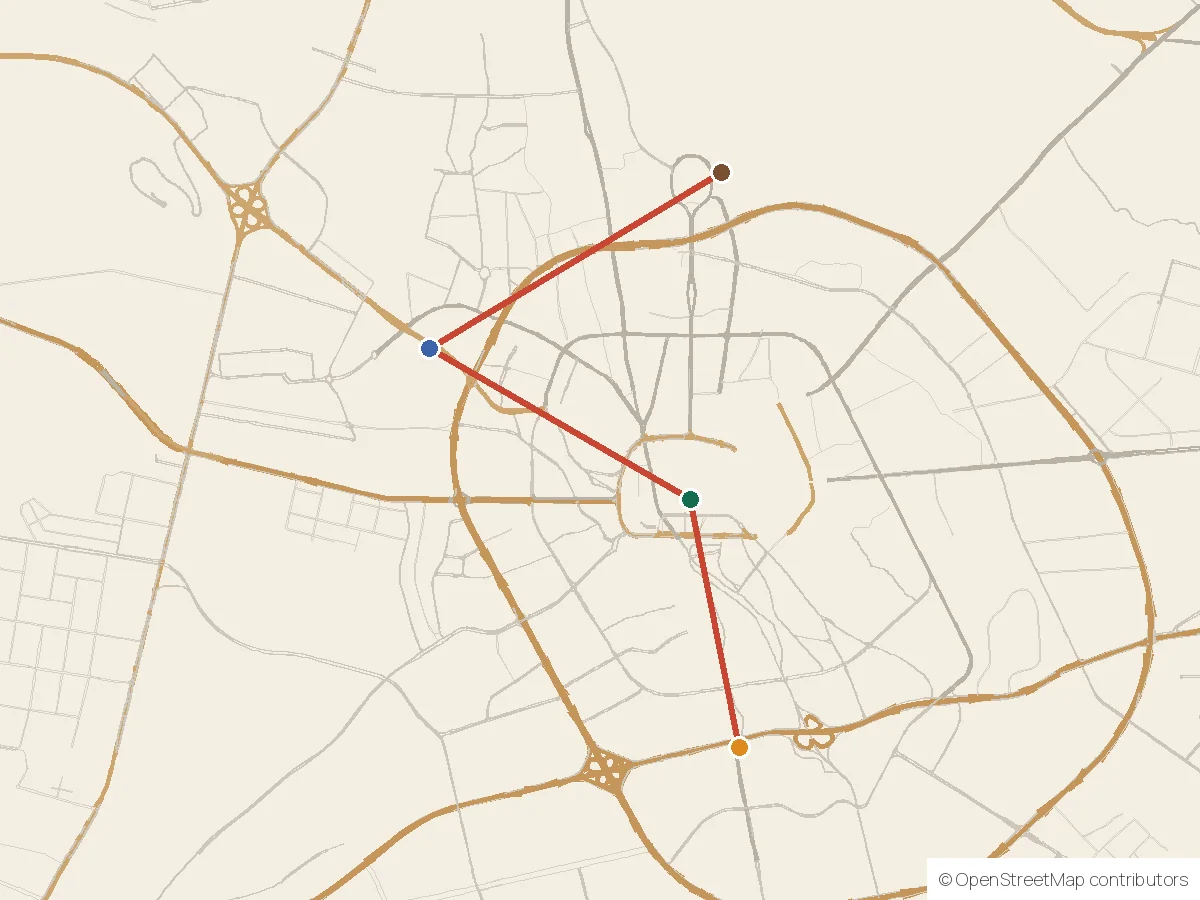
    Map of the route between Quba, Qiblatain and Mount Uhud
    Map data © OpenStreetMap contributors (ODbL). Map drawn by Living in Madina from OpenStreetMap data.
    Mount Uhud seen across the open plain
    Photo: Gunung Uhud.JPG by Imam Khairul Annas on Wikimedia Commons, CC BY 3.0. Resized to 1200×900, converted to WebP.

    At a glance

    • Quba Mosque: go early morning or after Asr.
    • Mount Uhud: calm, respectful, and avoid summer midday.
    • Friday: keep the morning for Jumu’ah; sightsee Saturday.
    • Comfort: water, shade and rest stops for all ages.

    Start with Quba Mosque

    Quba Mosque is in the Quba district, south of the central area. Visit Saudi describes it as a historic landmark among Madinah’s attractions; many residents make a regular habit of visiting.

    If you have extra time, you can add another historic stop: our guide to Masjid al-Qiblatayn, the Mosque of the Two Qiblas covers its history and visiting tips.

    It is also established in Sahih al-Bukhari that the Prophet ﷺ used to go to the Mosque of Quba every Saturday, sometimes walking and sometimes riding, and that Ibn Umar (may Allah be pleased with them) used to do the same (Sahih al-Bukhari 1193).

    Practical tips for families:

    • Make wudu at home before you leave, to save time at busy facilities.
    • Go early in the morning or after Asr to avoid the midday heat.
    • Dress modestly and comfortably, with shoes that are easy to slip on and off.
    • Keep children close in crowded areas and agree a meeting point with older children.
    • Getting there: Quba Road links the area with the centre of the city. Families living along the Al-Khalidiyah and Quba corridor can often get there quickly by car. Others can check whether a current Madinah Bus route suits them (see our Quba overview).

    Mount Uhud: history with reflection

    North of the city, Mount Uhud is closely linked to the Battle of Uhud in early Islamic history. Families often visit to reflect on the Seerah and pay their respects at the martyrs’ burial area at its foot.

    Visiting respectfully:

    • Prepare your children beforehand. A short, age-appropriate story about Uhud from a trusted Seerah book makes the visit far more meaningful than simply turning up.
    • Keep it calm and dignified near the burial area. Follow posted guidance and staff instructions, and keep your voice low. This is mainstream ziyarah etiquette — no practices beyond what is ordinarily taught.
    • Respect boundaries. Don’t climb restricted areas, and keep children away from rocky slopes.
    • Avoid summer midday. There’s little shade on open ground. Early morning is usually the most comfortable time.

    Access arrangements, facilities and any posted rules are set by the authorities and can change; follow on-site guidance.

    Sample half-day plan (adapt to the season)

    Time of daySuggestion
    Early morningWudu at home, then pray at Quba Mosque
    Mid-morningBreakfast nearby or at home
    Late morning (cooler months only)A short, respectful visit to Uhud
    MiddayHome for rest, especially in summer
    EveningA walk in a neighborhood park, or Maghrib/Isha at your local masjid or Masjid an-Nabawi

    In the hottest months, move the outdoor parts to after Asr and keep each stop short.

    Fitting the plan around Friday

    Friday is the main weekly day off for many families, and it centres on Jumu’ah. Many residents:

    • Keep Friday morning calm. Prepare for Jumu’ah and pray at their local masjid or at Masjid an-Nabawi, leaving early.
    • Save sightseeing for Saturday morning or after Asr on Friday.
    • Plan around traffic near the central area at prayer times.

    See our getting around guide for transport options.

    Keeping everyone comfortable

    Keeping everyone comfortable

    • Water and snacks for every child, plus a small first-aid kit.
    • Sun protection: hats, light clothing, and shade wherever you can find it.
    • Rest stops for grandparents and young children.
    • Health advice: if someone feels unwell from the heat, move them to shade and ask a pharmacist or doctor; MOH services are on Sehhaty. In an emergency, go to the nearest hospital emergency department.

    Small habits that make the weekend meaningful

    • Choose one short dua or story to talk about as a family at each place.
    • Keep phones away during prayer and take photos considerately, never at the expense of other worshippers.
    • Leave each place as clean as you found it.

    A calm weekend in Madinah doesn’t need a long list of stops. Two meaningful places, good timing and some patience are often enough. Related on this site: Quiet family outings and parks in Madinah and Living in Quba, Madinah.

    General information only. Access arrangements at religious and historic sites are set by the authorities and may change. Always follow official guidance and staff instructions on site.

    Last checked: 16 November 2026. Rules, fees and services change; confirm on the official sources below before you act.