Where you live in Madinah shapes your daily rhythm: how easily you reach the Prophet’s Mosque, how long the school run takes, and how busy your street gets in Ramadan. This guide explains how the city’s main areas differ in character and distance. It contains no listings or prices, just the questions worth asking before you choose.
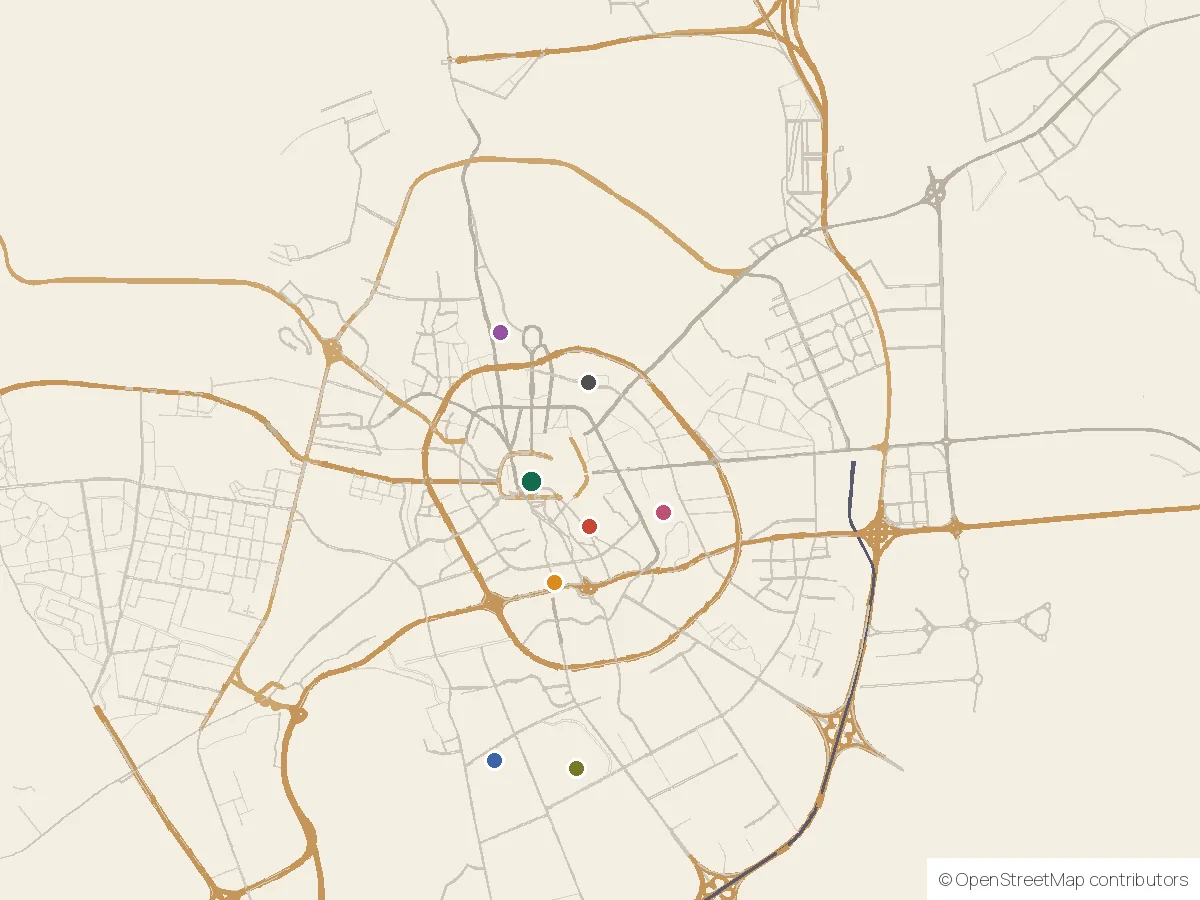
Quick answer
Short answer: Think of Madinah in rings around Masjid an-Nabawi. The central Haram area is closest but busiest; historic districts such as Quba (about 3 km away) and Sayyid al-Shuhada at the foot of Uhud (about 4 km north) mix heritage with residential life. Newer outer districts usually offer more space. Choose by commute, schools, healthcare and how you’ll handle seasonal crowds.
Key takeaways
- Quba Mosque is about 3 km from the Prophet’s Mosque, linked by a pedestrian route (Visit Saudi).
- Mount Uhud lies about 4 km north of the Prophet’s Mosque (Visit Saudi).
- King Khalid Road is the city’s Third Ring Road (SPA).
- Taibah University’s main address is on Prince Nayef Road (Taibah University).
How Madinah is laid out
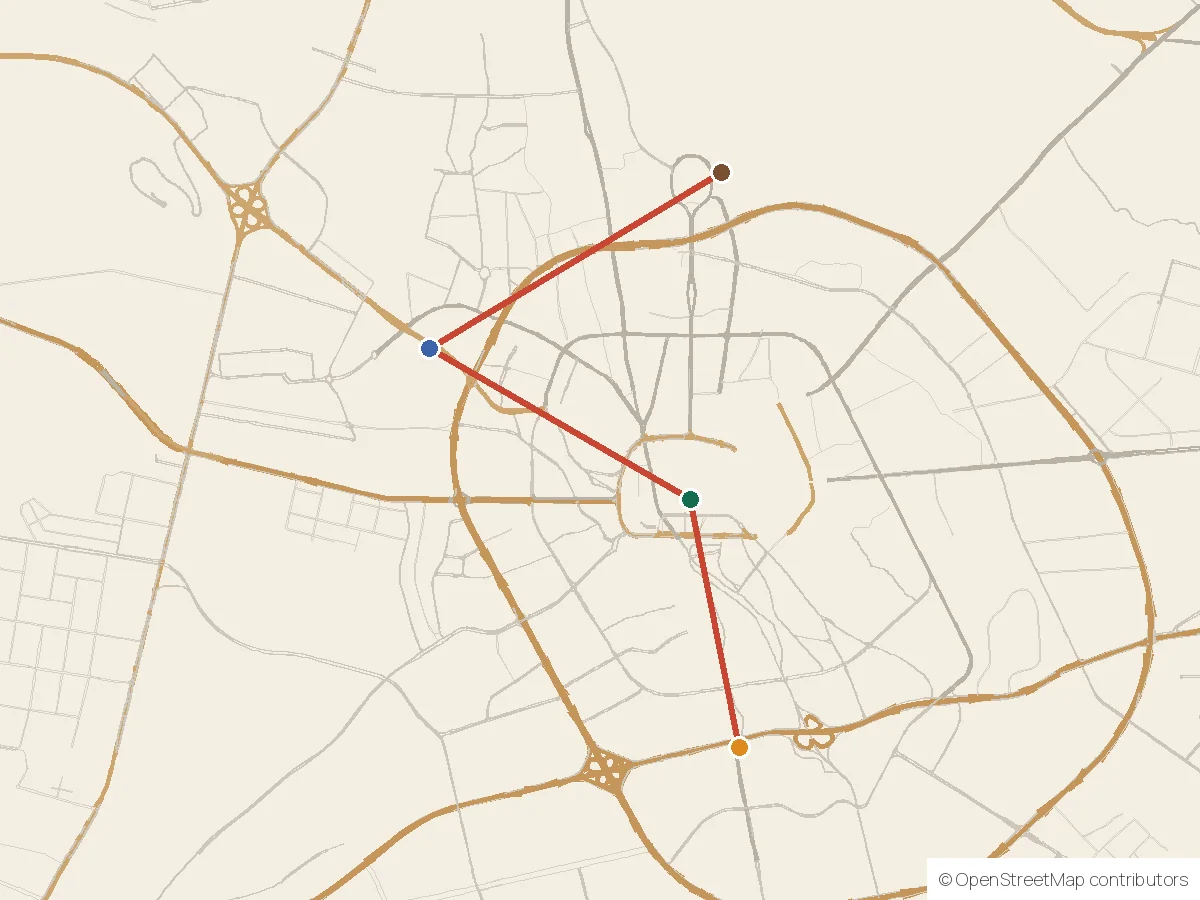
The Prophet’s Mosque sits at the heart of the city, and most residents describe locations by how far they are from it. Major roads loop around the centre as ring roads; King Khalid Road, for example, is the Third Ring Road.
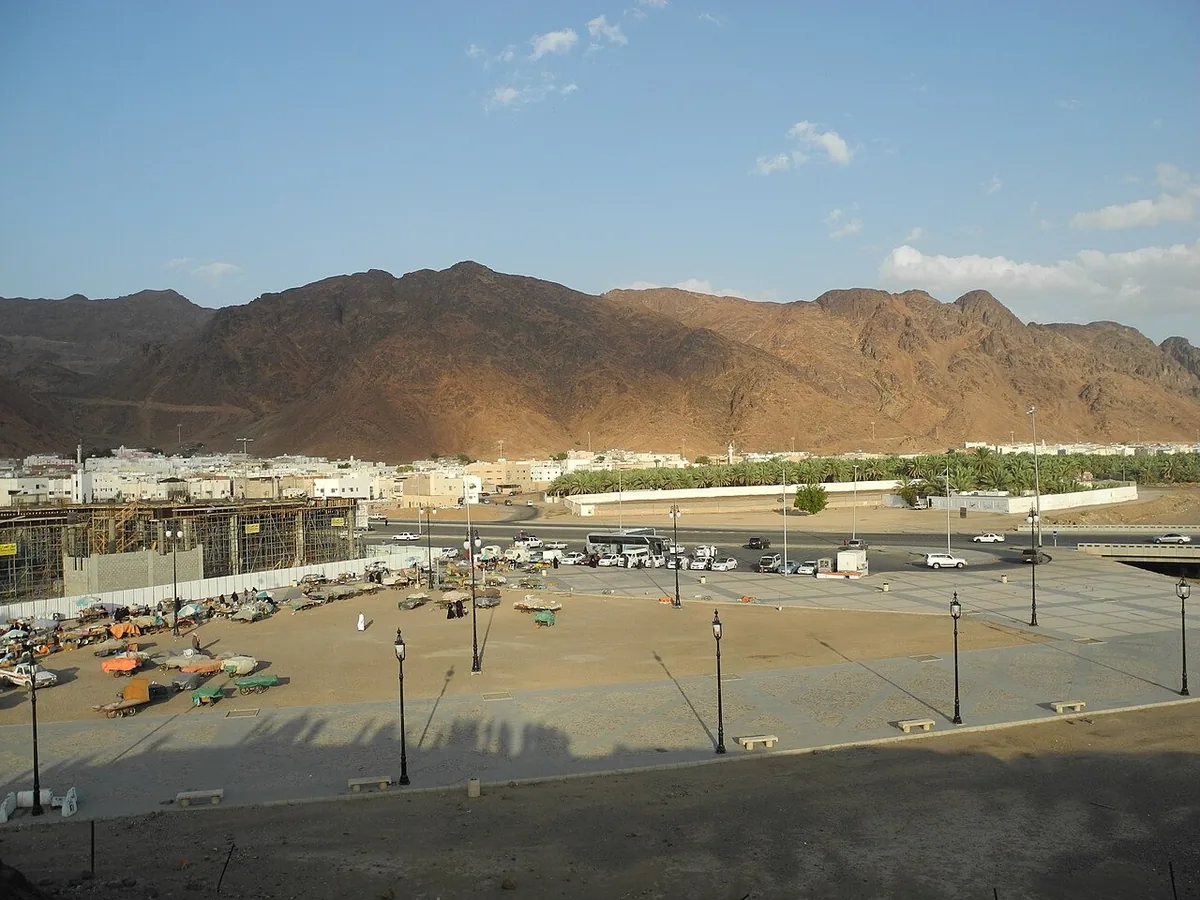
Two landmarks help you orient yourself. Quba Mosque lies about 3 km from the Prophet’s Mosque, and Mount Uhud about 4 km to the north. Many established districts sit along the corridors between these points.
Further out, newer districts were planned around wide roads and car travel. They often have larger homes and more space, but daily trips to the centre take longer, especially at prayer times.
The main types of area
Rather than ranking districts, it helps to group them by what daily life feels like. Here is a broad comparison.
| Area type | Examples | Daily life | Family considerations |
|---|---|---|---|
| Central | Al-Haram district | Walk to the Prophet’s Mosque; dense, hotel-heavy | Busiest in Ramadan and Hajj; parking is limited |
| Historic inner districts | Quba, Al-Awali, Sayyid al-Shuhada | Heritage sites close by; mixed old and new streets | Check traffic near Quba and Uhud on visit days |
| Established northern areas | Al-Uyun | Local shops and everyday services | Good road links to the Second Ring Road |
| Newer planned districts | Al-Aziziyah and similar | More space, wider roads, car-based | Compare school and clinic distances carefully |
A closer look at well-known districts
Quba. The district around Quba Mosque, which Visit Saudi describes as the first mosque in Islamic history. The mosque is being expanded under the King Salman project to hold 66,000 worshippers, so expect works and visitor traffic nearby.
Al-Awali (Al-Aliyah). Historically, this name covered the east and south-east of the city, stretching from Al-Baqi towards Harrat Waqim and south alongside Quba Mosque. It was once known for palm groves and orchards, most of which are now built up.
Sayyid al-Shuhada. This historic district sits at the foot of Mount Uhud, about 4 km north of the Prophet’s Mosque. It’s close to the Uhud martyrs’ burial area, so residents should expect steady visitor numbers.
Al-Uyun. North of the Prophet’s Mosque, named after Al-Uyun Road, which connects to the Second Ring Road. It contains older sub-areas with closely packed shops and narrow lanes.
Al-Aziziyah. A modern district outside the central area. Its land was allocated by the municipality in the 1980s, and it has the everyday services you’d expect, such as schools, clinics and supermarkets.
Note
District boundaries and names can differ between maps, apps and official records. Always confirm the exact district through your National Address before you sign anything. Our first-month checklist explains how.
What families should weigh up
For most families, the right neighborhood comes down to four things: the school run, healthcare, daily shopping and your route to the mosque. For a closer look at choosing between districts, read our guide to the best neighbourhoods in Madinah for families.
Schools come first for many parents. Map the actual drive at school times rather than relying on straight-line distance. Our guide to schools and tutoring in Madinah covers how registration works.
Healthcare matters too. Find your nearest primary healthcare centre and hospital emergency department before you move, not after.
Public transport helps if not everyone drives. Check the official Madinah Bus map to see whether a route passes near your street.
Before you choose a neighborhood
- Drive the route to work and school at peak times
- Locate the nearest primary healthcare centre and emergency department
- Check for a Madinah Bus stop within walking distance
- Visit the street after Maghrib and on a Friday to see real traffic
- Ask how the area feels in Ramadan and the Hajj season
- Confirm the district on your National Address
Living near the Haram: pros and trade-offs
Living close to Masjid an-Nabawi is a blessing many residents hope for. Being able to walk to prayers, especially Fajr and Isha, is a real advantage.
The trade-offs are practical. Streets around the Haram fill up in Ramadan and the Hajj season, roads can close or divert, and parking is scarce. Families with young children or elderly relatives should think about how they’ll manage on the busiest days.
Tip
Many families choose a quieter district with a reliable route in, then plan regular visits to the Prophet’s Mosque at calmer times. If you’re new, our station and airport transport guide shows how people get around the city.
Making the decision
Spend a few days in your shortlisted areas before you commit. Pray at the local masjid, walk to the nearest shops and talk to neighbours about schools and traffic.
No district is perfect. The best choice is the one that keeps your family’s daily trips short and your connection to the Prophet’s Mosque easy to maintain.
General information, last checked 16 November 2026. District boundaries, roads and services change; confirm details through official channels before you move.
From our sister guides: Makkah neighbourhoods guide (Living in Makkah); Best neighbourhoods in Makkah for families (Living in Makkah).
Sources
- https://www.visitsaudi.com/en/madinah/attractions/masjid-quba-in-madinah
- https://www.visitsaudi.com/en/madinah/attractions/uhud-mountain-in-madinah
- https://www.spa.gov.sa/en/N2395771
- https://www.taibahu.edu.sa/en/contact-us
- https://madinahbus.mda.gov.sa/
- https://ar.wikipedia.org/wiki/%D8%B3%D9%8A%D8%AF_%D8%A7%D9%84%D8%B4%D9%87%D8%AF%D8%A7%D8%A1_%28%D8%AD%D9%8A%29
- https://ar.wikipedia.org/wiki/%D8%A7%D9%84%D8%B9%D9%88%D8%A7%D9%84%D9%8A_%28%D8%A7%D9%84%D9%85%D8%AF%D9%8A%D9%86%D8%A9_%D8%A7%D9%84%D9%85%D9%86%D9%88%D8%B1%D8%A9%29
- https://ar.wikipedia.org/wiki/%D8%A7%D9%84%D8%B9%D9%8A%D9%88%D9%86_%28%D8%A7%D9%84%D9%85%D8%AF%D9%8A%D9%86%D8%A9_%D8%A7%D9%84%D9%85%D9%86%D9%88%D8%B1%D8%A9%29
- https://ar.wikipedia.org/wiki/%D8%A7%D9%84%D8%B9%D8%B2%D9%8A%D8%B2%D9%8A%D8%A9_%28%D8%A7%D9%84%D9%85%D8%AF%D9%8A%D9%86%D8%A9_%D8%A7%D9%84%D9%85%D9%86%D9%88%D8%B1%D8%A9%29