Category: Living Tips

Quick answer
Practical tips for daily life in Madinah: groceries and markets, weather through the year, Ramadan and Taraweeh, apps every resident uses, museums and weekend trips. Each tip links the official source behind it.

Key takeaways

Weather forecasts and warnings come from the National Center for Meteorology.

Tawakkalna and Absher cover most everyday government services.

Check current prices in shops and apps rather than relying on old figures.

Start with these guides

Taking Dates Home From Madinah: Packing, Customs and What to Check First

Taking dates home from Madinah? How to buy packed, labelled dates, pack them for a flight, what Saudi customs says about personal luggage and what to check.

Finding Trusted Local Services Near Where You Live in Madinah

Before you hire local services in Madinah, check licences on official platforms: commercial registration, Balady, Musaned, REGA brokers and SCFHS.

Weekend Trips From Madinah: Yanbu, AlUla and Nearby Escapes

Weekend trips from Madinah: Yanbu on the Red Sea and AlUla’s heritage landscapes, how to plan the drive, bookings, weather checks and road safety tips.

The Prophet’s Biography Museum in Madinah: A Resident’s Visiting Guide

Just south of the Prophet’s Mosque, the Prophet’s Biography Museum in Madinah tells the story of the Prophet Muhammad ﷺ and Islamic civilization with interactive screens, panoramas and 3D models. Its full name is the International Fair and Museum of the Prophet’s Biography and Islamic Civilization, and it is overseen by the Muslim World League.

More guides in this section

Visiting the King Fahd Quran Printing Complex in Madinah: A Resident’s Guide

Living in Madinah puts one of the most remarkable places in the Muslim world within easy reach: the King Fahd Quran Printing Complex, officially the King Fahd Glorious Quran Printing Complex. It runs a daily visits program, so residents can see how copies of the Quran are printed, checked and sent around the world.

How Much Salary Do You Need to Live in Madinah?

How much salary do you need to live in Madinah? A step-by-step way to work it out from real costs, what to check in a job offer and benefits to count.

Cost of Living in Medina 2026: How to Check Budgets for Singles, Couples and Families

Cost of living in Medina 2026: how to check a realistic budget for singles, couples and families, using official price data and quotes for your own home.

Taraweeh and Iftar at the Prophet’s Mosque: A Resident’s Practical Guide to Medina

Praying Taraweeh at the Prophet’s Mosque is a highlight of Ramadan for Medina residents. Doing it every night, or with children and elderly parents, takes some planning. The mosque, its courtyards and the roads around them fill quickly after iftar. This is a practical guide to getting there, getting in and getting home.

Further reading in this section

Ramadan in Madinah for Residents: The Complete Guide

Ramadan in Madinah is one of the most moving experiences a resident can have. It’s also the month when the city’s routine turns upside down: offices open later, roads empty at noon and fill after iftar, and the area around the Prophet’s Mosque welcomes worshippers from across the world.

Madinah’s Weather Through the Year: A Resident’s Seasonal Planning Guide

Madinah’s climate shapes almost everything about daily life, from when families go out to how homes are cooled. Knowing the pattern helps you plan school runs, outings, visits to the Haram and even grocery trips.

Grocery and Market Tips for Daily Life in Madinah

Food shopping shapes family life more than most of us notice. In Madinah, a little planning goes a long way: the right time of day, a clear list and a habit of checking labels save money and keep food safe.

The Tawakkalna App for Madinah Residents: How to Register and What It Is For

The Tawakkalna app is Saudi Arabia’s national comprehensive app. Its official site says it brings government services, information, documents, and publications into one place for citizens, residents, and visitors (Tawakkalna official site). For a Madinah household, that can mean fewer apps to juggle and your documents ready on your phone.

Older guides in this section

Madinah Heat Safety: Everyday Tips for Residents and Families

Madinah heat safety is part of daily life for residents, whether you’re walking to the Prophet’s Mosque, doing the school run, or taking children to the park. This guide puts the Saudi Ministry of Health’s advice into a simple routine for families.

How to Use the Sehhaty App in Madinah: A Resident’s Guide

The Ministry of Health (MOH) health line and the Sehhaty app in Madinah (Medina) let you speak to a doctor or report a health service problem without leaving home. This guide explains what the MOH says each channel is for, so your family knows where to turn.

Madinah Dates for Residents: Ajwa and Other Varieties, the Central Dates Market, and How to Store Them

Dates are part of daily life in Madinah, from the plate offered to guests to the box you send to family abroad. For residents, the useful questions are practical ones: which varieties to know, where the main market is, and how to keep a good batch fresh.

A Calm Family Weekend in Madinah: Quba, Uhud and Practical Planning Tips

One of the quiet blessings of living in Madinah is that some of Islam’s most significant places are part of the everyday landscape. On a free weekend, many families combine worship, a little history and time outdoors. This guide suggests a gentle, child-friendly way to do that, built around Quba Mosque and Mount Uhud.

Official services to use

Official links

National Center for Meteorology: weather forecasts and warnings

Saudi Food and Drug Authority: food safety

Absher: residency, licence and family services

Sehhaty (Ministry of Health): appointments and health records

Check before you act
Rules, timetables and fees change. Always confirm details on the official page linked in each guide before you rely on them.

Explore the site

All latest guides

Home

Sources

https://www.ncm.gov.sa/en

https://www.sfda.gov.sa/en

https://www.absher.sa/wps/wcm/connect/individuals/contents/individuals/about+absher_en

https://www.moh.gov.sa/en/eservices/sehhaty/pages/default.aspx

  • A Calm Family Weekend in Madinah: Quba, Uhud and Practical Planning Tips

    A Calm Family Weekend in Madinah: Quba, Uhud and Practical Planning Tips

    One of the quiet blessings of living in Madinah is that some of Islam’s most significant places are part of the everyday landscape. On a free weekend, many families combine worship, a little history and time outdoors. This guide suggests a gentle, child-friendly way to do that, built around Quba Mosque and Mount Uhud. It focuses on timing, comfort and respect rather than a packed itinerary.
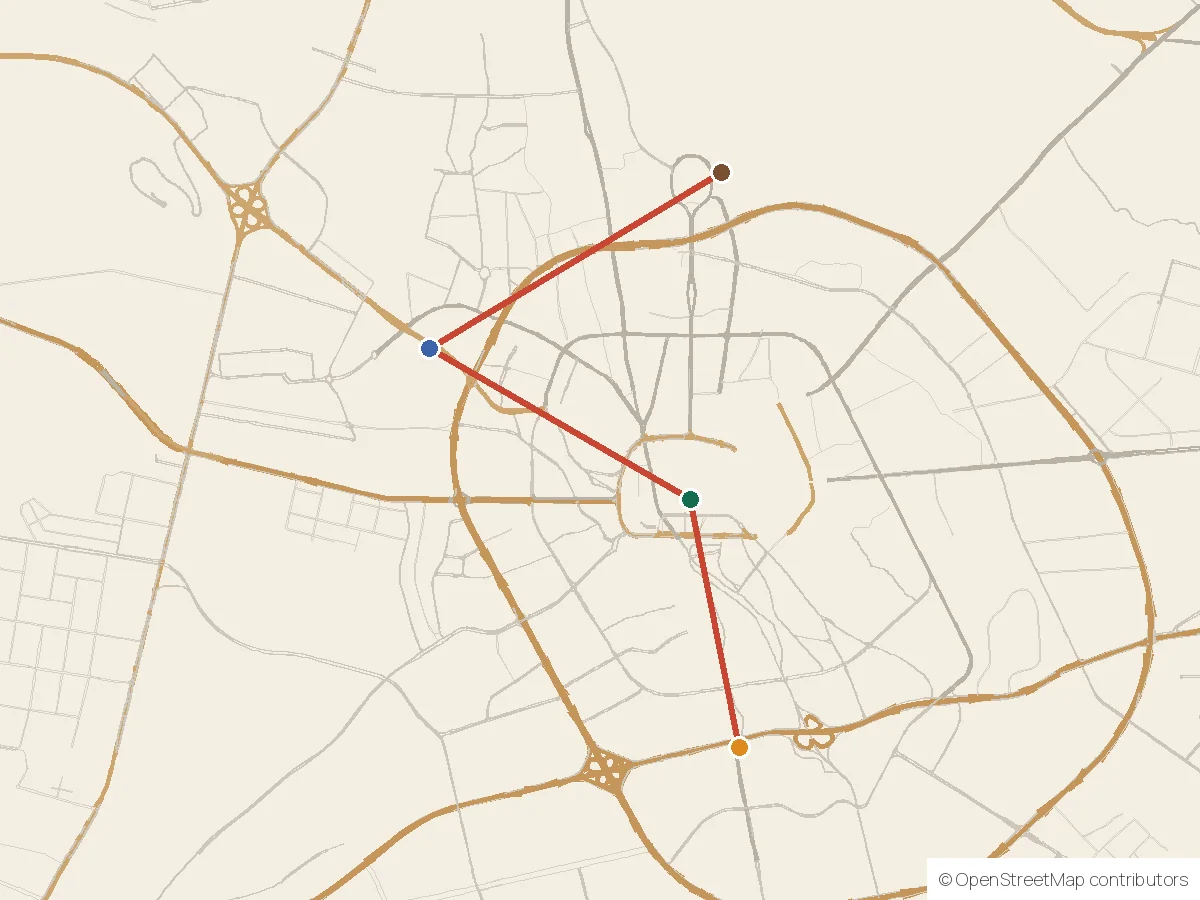
    Map of the route between Quba, Qiblatain and Mount Uhud
    Map data © OpenStreetMap contributors (ODbL). Map drawn by Living in Madina from OpenStreetMap data.
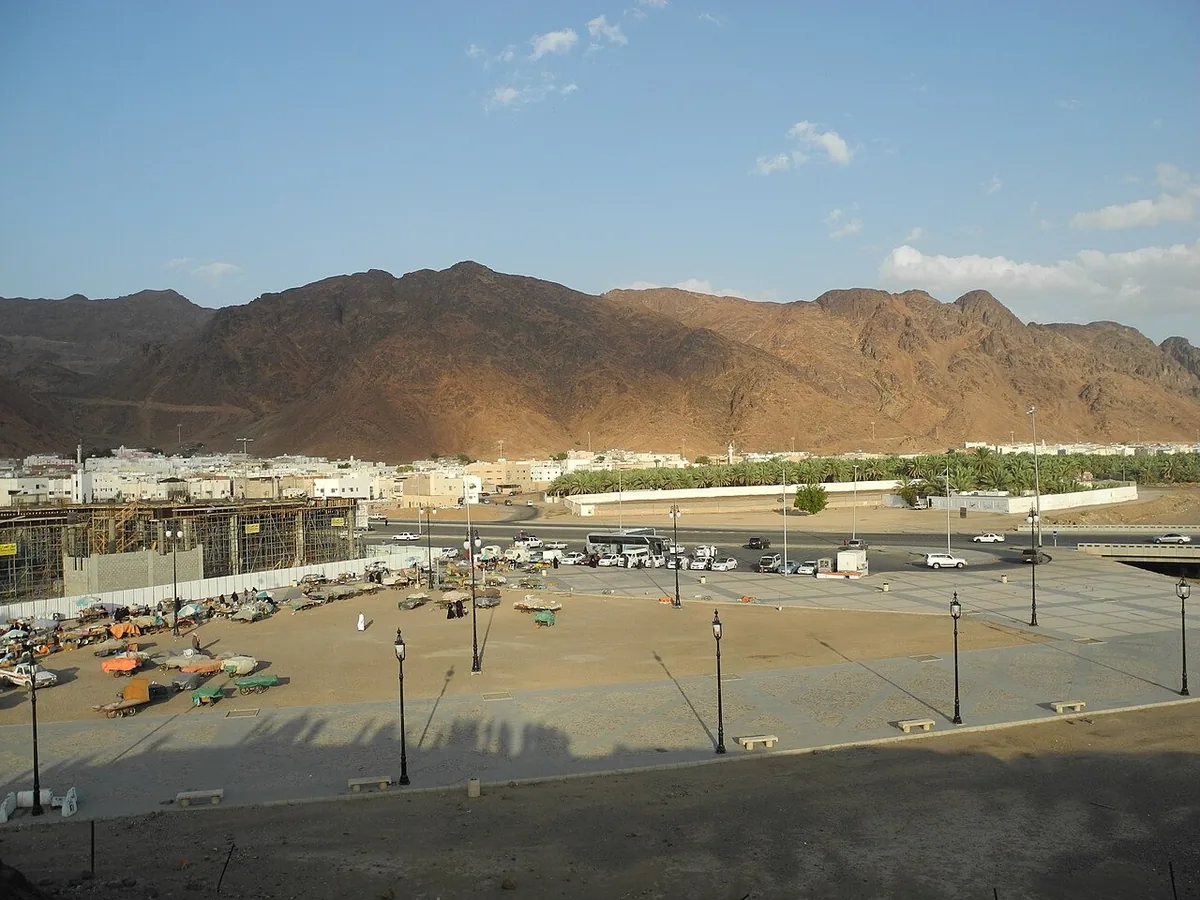
    Mount Uhud seen across the open plain
    Photo: Gunung Uhud.JPG by Imam Khairul Annas on Wikimedia Commons, CC BY 3.0. Resized to 1200×900, converted to WebP.

    At a glance

    • Quba Mosque: go early morning or after Asr.
    • Mount Uhud: calm, respectful, and avoid summer midday.
    • Friday: keep the morning for Jumu’ah; sightsee Saturday.
    • Comfort: water, shade and rest stops for all ages.

    Start with Quba Mosque

    Quba Mosque is in the Quba district, south of the central area. Visit Saudi describes it as a historic landmark among Madinah’s attractions; many residents make a regular habit of visiting.

    If you have extra time, you can add another historic stop: our guide to Masjid al-Qiblatayn, the Mosque of the Two Qiblas covers its history and visiting tips.

    It is also established in Sahih al-Bukhari that the Prophet ﷺ used to go to the Mosque of Quba every Saturday, sometimes walking and sometimes riding, and that Ibn Umar (may Allah be pleased with them) used to do the same (Sahih al-Bukhari 1193).

    Practical tips for families:

    • Make wudu at home before you leave, to save time at busy facilities.
    • Go early in the morning or after Asr to avoid the midday heat.
    • Dress modestly and comfortably, with shoes that are easy to slip on and off.
    • Keep children close in crowded areas and agree a meeting point with older children.
    • Getting there: Quba Road links the area with the centre of the city. Families living along the Al-Khalidiyah and Quba corridor can often get there quickly by car. Others can check whether a current Madinah Bus route suits them (see our Quba overview).

    Mount Uhud: history with reflection

    North of the city, Mount Uhud is closely linked to the Battle of Uhud in early Islamic history. Families often visit to reflect on the Seerah and pay their respects at the martyrs’ burial area at its foot.

    Visiting respectfully:

    • Prepare your children beforehand. A short, age-appropriate story about Uhud from a trusted Seerah book makes the visit far more meaningful than simply turning up.
    • Keep it calm and dignified near the burial area. Follow posted guidance and staff instructions, and keep your voice low. This is mainstream ziyarah etiquette — no practices beyond what is ordinarily taught.
    • Respect boundaries. Don’t climb restricted areas, and keep children away from rocky slopes.
    • Avoid summer midday. There’s little shade on open ground. Early morning is usually the most comfortable time.

    Access arrangements, facilities and any posted rules are set by the authorities and can change; follow on-site guidance.

    Sample half-day plan (adapt to the season)

    Time of daySuggestion
    Early morningWudu at home, then pray at Quba Mosque
    Mid-morningBreakfast nearby or at home
    Late morning (cooler months only)A short, respectful visit to Uhud
    MiddayHome for rest, especially in summer
    EveningA walk in a neighborhood park, or Maghrib/Isha at your local masjid or Masjid an-Nabawi

    In the hottest months, move the outdoor parts to after Asr and keep each stop short.

    Fitting the plan around Friday

    Friday is the main weekly day off for many families, and it centres on Jumu’ah. Many residents:

    • Keep Friday morning calm. Prepare for Jumu’ah and pray at their local masjid or at Masjid an-Nabawi, leaving early.
    • Save sightseeing for Saturday morning or after Asr on Friday.
    • Plan around traffic near the central area at prayer times.

    See our getting around guide for transport options.

    Keeping everyone comfortable

    Keeping everyone comfortable

    • Water and snacks for every child, plus a small first-aid kit.
    • Sun protection: hats, light clothing, and shade wherever you can find it.
    • Rest stops for grandparents and young children.
    • Health advice: if someone feels unwell from the heat, move them to shade and ask a pharmacist or doctor; MOH services are on Sehhaty. In an emergency, go to the nearest hospital emergency department.

    Small habits that make the weekend meaningful

    • Choose one short dua or story to talk about as a family at each place.
    • Keep phones away during prayer and take photos considerately, never at the expense of other worshippers.
    • Leave each place as clean as you found it.

    A calm weekend in Madinah doesn’t need a long list of stops. Two meaningful places, good timing and some patience are often enough. Related on this site: Quiet family outings and parks in Madinah and Living in Quba, Madinah.

    General information only. Access arrangements at religious and historic sites are set by the authorities and may change. Always follow official guidance and staff instructions on site.

    Last checked: 16 November 2026. Rules, fees and services change; confirm on the official sources below before you act.