
For many families, the dream in Madinah is a flat close enough to walk to every prayer at the Prophet’s Mosque. Some families love it. Others move out after a season, worn down by crowds, lifts that never come and children who can’t play outside. The difference usually comes down to planning, not luck.
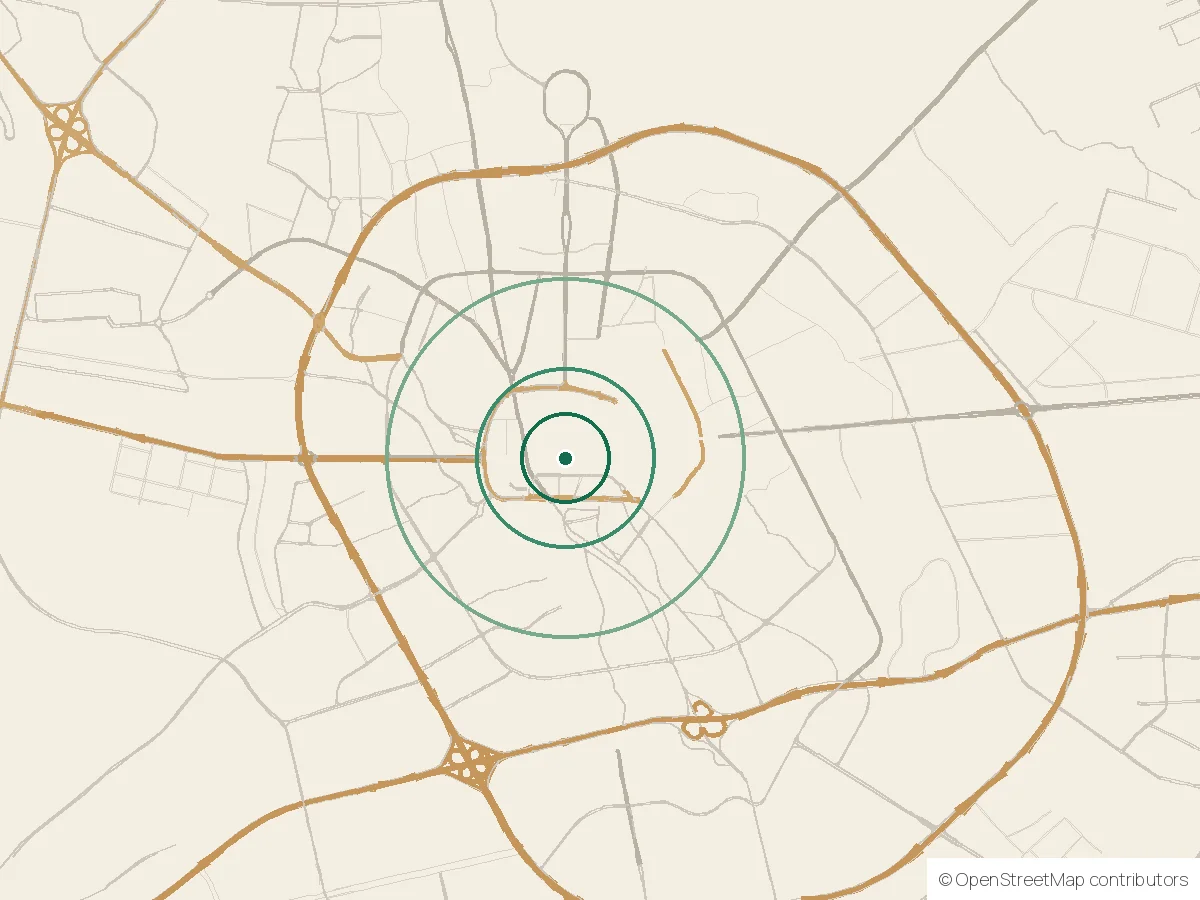
This guide is for residents with children who are thinking about the central area around Masjid an-Nabawi. It sets out what official sources say about the services in and around the mosque, then the everyday trade-offs families commonly weigh up.
Quick answer
Short answer: Living near the Prophet’s Mosque can work well for families who plan around peak seasons. The Ministry of Hajj and Umrah lists underground parking for about 4,300 cars, lessons after every obligatory prayer and dedicated lost-children offices. Its services guide also lists a Children’s Hospitality Center. Check the lease and the building, not just the distance.
What official sources say about services for families
Services at the Prophet’s Mosque (official)
- Parking: underground car parks for about 4,300 cars, reached through six entrances from the surrounding main streets (Ministry of Hajj and Umrah).
- Children’s Hospitality Center: on the northern side, listed near gates 339–340 in the Ministry’s services guide.
- Lost children: dedicated care offices, including ones in the women’s prayer areas.
- Learning: religious lessons after every obligatory prayer, plus Qur’an memorisation sessions you can register for.
- Accessibility: prayer chairs, lifts and ramps at entrances, and mobility carts for people with special needs.
Gate numbers and office locations can change between seasons. Use the Ministry’s current Masjid Nabawi services guide and on-site signs rather than an old screenshot.
Warning
The Ministry’s guide advises that your child always wears a card or bracelet with their name, your name and your phone number. In peak weeks the courtyards fill quickly. Agree a fixed meeting point, such as a gate number, with older children before you go in.
The everyday trade-offs
Crowds follow the calendar. Ramadan, the Hajj season and school holidays bring huge numbers of visitors to the central area. A quiet street near the mosque can feel very different for weeks at a time. Plan big shopping trips, appointments and school runs around prayer times in those periods.
Space for children. Central buildings are mostly flats and hotels with little outdoor space. If your children need a garden or a quiet street to play in, compare the central area with the districts in our Madinah neighbourhoods guide before you commit.
Lifts and stairs. At prayer times, a tall building full of visitors can mean long waits for the lift. Ask how many lifts the building has and whether residents share them with short-stay guests.
Cars. Many families near the Haram drive less. Ask the landlord whether the building has its own parking before relying on public car parks.
Rawdah visits. Living close doesn’t change the booking rules for the Rawdah. Every visit still needs a permit on Nusuk. See our Rawdah permit guide for residents.
Checking a flat before you sign
Before you sign a central lease
- Visit at a prayer time, not just mid-morning, to see the real crowds and lift queues.
- Ask whether the building mixes residents with short-stay visitors.
- Confirm parking, rubbish collection and maintenance arrangements in writing.
- Check that the contract will be registered properly. Our renting in Madinah guide explains how to check prices and lease details.
- Walk the route to the mosque with your children, including the crossings.
Planning your first month
1
Map your gates: find the nearest gate for the men’s and women’s prayer areas, and the Children’s Hospitality Center, using the official services guide and on-site signs.
2
Set up the apps: make sure every adult can log in to Nusuk for Rawdah permits.
3
Make ID cards: prepare name-and-number cards for each child.
4
Learn the busy weeks: note Ramadan and the Hajj season in your calendar and plan errands earlier.
5
Find a quiet backup: pick a park or a relative’s home outside the centre for weekends.
Is it right for your family?
Living beside the Prophet’s Mosque is a gift many families wouldn’t swap. It suits families who value walking to prayer above space and quiet, and who can handle seasonal crowds. If you have young children who need room to play, a district a short drive away may give you the best of both. For a wider view, see whether Madinah is a good place to live.
Sources and last checked
Last checked 28 Oct 2026 against the Ministry of Hajj and Umrah’s Prophet’s Mosque services page and its Masjid Nabawi services guide. Services and locations change, so confirm them on the official sites. We don’t list rents here. Use the official checks in our renting guide.
Comments
2 responses to “Living Near the Prophet’s Mosque in Madinah With Family: A Practical Guide”
[…] or elderly relatives should think about how they’ll manage on the busiest days. Our guide to living near the Prophet’s Mosque with family walks through those trade-offs in more […]
[…] Mosque is your priority, compare this district with central and Quba-side areas. Our guide to living near the Prophet’s Mosque with family explains the trade-offs of the central […]